
Used Brake Parts Calgary: What's Safe to Buy Second-Hand?
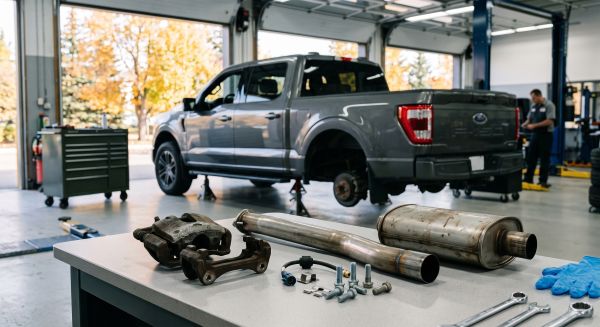
Used brake parts Calgary are car components that have been recovered from either older or ‘write-off’ vehicles and retailed for re-use at a fraction of the price of their new counterparts. In Calgary, tons of drivers opt for used brake pads, rotors, calipers, and hardware to cash in while keeping their aging rides moving. Neighborhood salvage yards, auto wreckers, and a few independents carry these pieces, frequently inspected for fundamental abrasion and secure utilization. Buyers typically consider things like part condition, mileage of the donor vehicle, and any short warranty the seller provides. To help make sense of it all, the following sections walk through where to find used brake parts Calgary, what to check, and how to balance cost against safety.
> Learn more
Used 4x4 Parts Calgary: Get Your 4x4 Ready for Fall
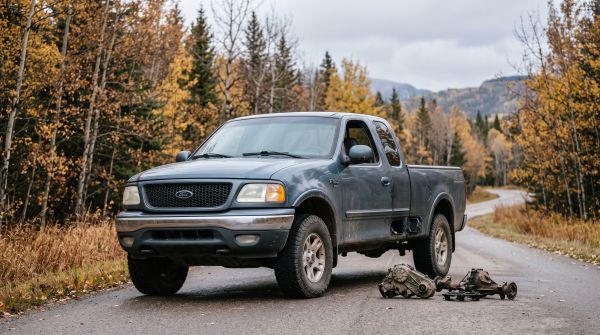
Used 4x4 parts Calgary are pre-owned components and accessories for four-wheel drive vehicles that people buy and sell within the Calgary area. A lot of drivers use them to maintain older trucks, SUVs and off-road builds at a more affordable level than new stock. Buyers tend to look for used engines and engine parts, transmissions, axles, suspensions and body parts. Some concentrate on OEM parts, others blend in aftermarket components for lift kits, wheels or armor. Local climate and road salt determine what parts hold up well. The following sections discuss how to find 4x4 parts Calgary used, what to inspect, and how to compare worth.
> Learn more
SEARCH
Looking for our Edmonton location? Click Here