
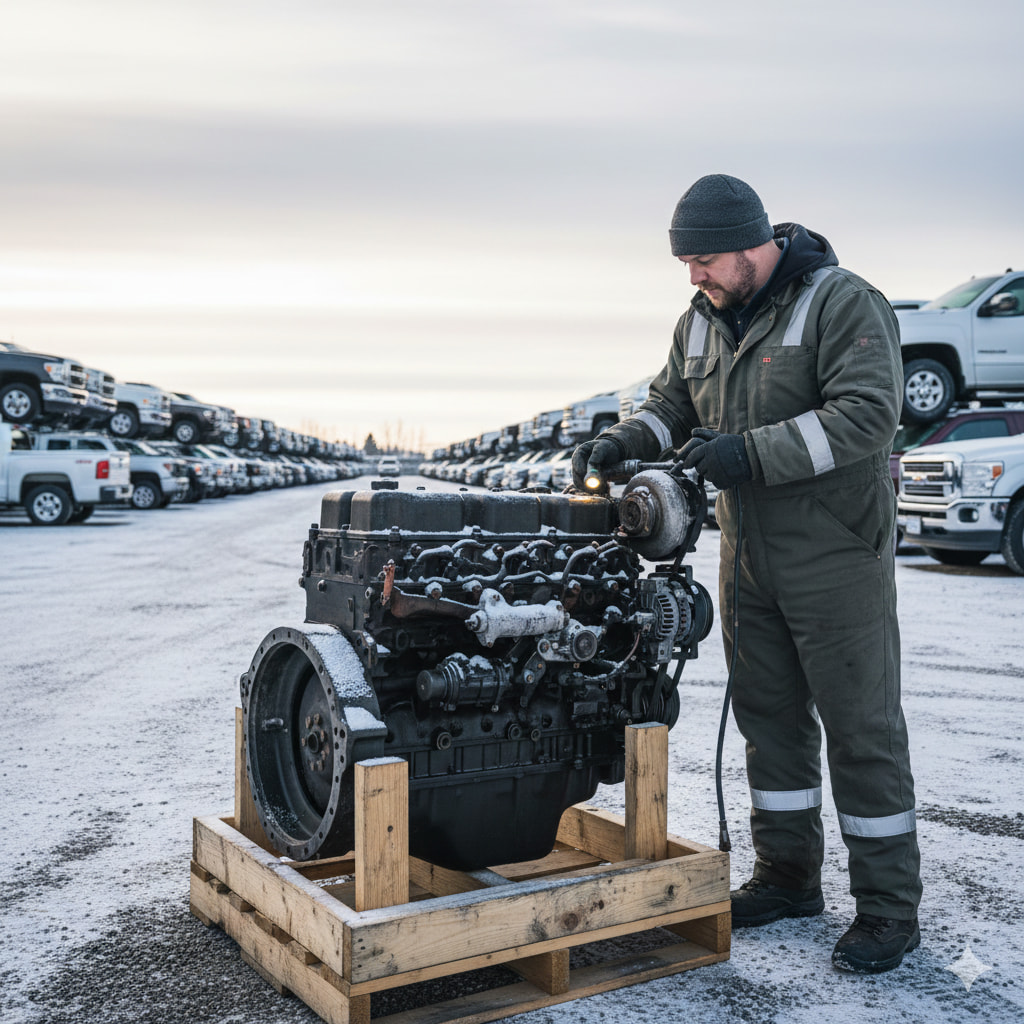
09 January 2026
Key Takeaways
-
Know when replacement makes sense by following catastrophic failures, excessive oil consumption, lingering performance degradation, or constant overheating. Compare total repair costs and downtime against the price and value of a replacement engine.
-
Put your three engine paths against your budget and needs. Rebuilts fit rare models, new crate engines offer OEM power, and used engines provide cost effective power with quicker turnaround.
-
Opt for used truck engine calgary for instant savings, tried and true results, and fast turnaround. Seek proven histories, tested units, and popular reliable models to minimize risk and install time.
-
Get ready for Calgary’s weather with cold start-ready engines, block heaters, and corrosion-resistant components. Check the block heater and rust, and definitely choose engines with an Alberta winter background.
-
Vet any used engine with a structured checklist that addresses mileage and hours, maintenance records, compression test results, compatibility, and transparent warranty terms. Ask for documentation and test data prior to purchase.
-
Partner with a reliable source for fitment assistance, clear warranties, and quality guarantees. Request images, service records, and same-day alternatives to reduce downtime and maintain consistent costs.
Used truck engine Calgary refers to the market for pre-owned truck engines sold and installed in Calgary, Alberta. Buyers often seek low-kilometre engines from late-model pickups, medium-duty rigs, and commercial fleets. Common options include gas V8s, turbo-diesels like Cummins, Duramax, and Power Stroke, and rebuilt long blocks with compression and oil pressure tests. Many suppliers provide engine codes, donor vehicle VIN, mileage proofs, and 30 to 180 day warranties. Shops in the area handle swaps, ECU updates, and emissions checks to match local standards. Prices vary by engine size, year, and test results, with added costs for installation and core returns. To sort choices fast, the next sections cover sourcing tips, inspection steps, price ranges, and warranty terms.
Deciding on Engine Replacement
Engine overhaul decisions are based on safety, uptime, and total cost, all of which matter in Calgary’s extreme temperature fluctuations that stress metals, seals, and fluids. Weighing repair depth against value, time, and risk is the objective.
Catastrophic Failure
Seized motors, thrown or bent rods, cracked blocks or metal glitter in oil indicate damage that simply isn’t worth chasing piece by piece. In heavy-use trucks that tow or haul, shock loads and heat cycles make internal failures more severe and widespread, so hidden damage is probable. Full replacement is frequently the sole course that returns baseline reliability to a vehicle and safeguards other expensive components, such as the turbo or transmission. Act immediately; further trying to crank or run can damage the starter, radiator or even wiring.
Excessive Oil Use
– Monitor oil top-up rates over 1000 km. Such quick loss suggests worn rings, valve seals, or a busted PCV route. Persistent burn gunk fouls plugs, clogs catalysts, and hikes combustion temps, compounding expenses. If top-ups, leak hunts, and partial rebuilds get close to 60 percent of a replacement, a nice used or reman unit may be less expensive over 12 months. Record liters added, smoke color, and plug condition to provide your tech clear information.
Poor Performance
Notice sluggish climbs, feeble passing, and escalating fuel burn even with tune-ups, clean filters, and new coils or injectors. If misfires and rough idle still exist after basics, then the bottom end or valvetrain might be tired. At that point, compare rebuild, new, used, and reman via data: compression, leak-down, fuel use per 100 kilometers, and dyno or scan values. A fresher engine can translate into tighter clearances, better combustion, lower friction, and real gains in kilometers per liter.
-
Replace the engine when: * Block or head is cracked, or oil and coolant mix.
-
Repair quote exceeds 50% of vehicle value (50% Rule).
-
Mileage is near 250,000 km with other major faults, like transmission slip.
-
Repeated overheating or oil loss returns after fixes.
-
Downtime is harming contracts or daily work.
-
Constant Overheating
Regular spikes indicate a warped head, blown gasket or unseen coolant path leaks. Heat twists alloy, fries seals and cuts engine life fast. Driving on heat risks a tow and bigger bills. Test for combustion gases in coolant and pressure test the system. If a new radiator, pump and thermostat don’t put an end to the cycle, a used or reman engine is the safer move in harsh climates.
Unbearable Costs
Add up the parts, the labor, the rental, and the lost work hours, not a single bill. In Calgary, replacement can run between $5,000 and $10,000 or more, but serial repairs can quickly meet that without necessarily restoring trust. If repair is more than 50 percent of market value, replace or retire. Used engines can reduce labor hours and expense, while reman units provide something akin to a ‘second life.’ Above all, for swapped engine truck buyers, check service history, recalls, and records before you pay.
Your Three Engine Options
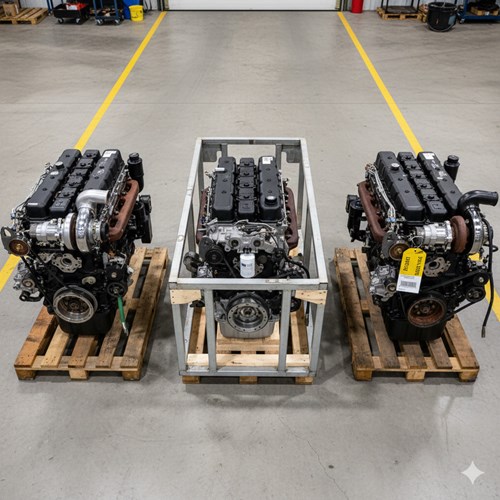
Your Three Engine OptionThree standard paths fit most truck buyers in Calgary: rebuilt (including remanufactured), new crate, and used. Each direction impacts price, uptime, warranty, and long-term value differently.
|
Option |
Pros |
Cons |
Typical Price (CAD) |
Warranty |
Best For |
|---|---|---|---|---|---|
|
Rebuilt/Remanufactured |
Meets OEM specs, new wear parts, precision tested (oil pressure, compression, vacuum), long life |
Higher cost than used, downtime during build |
5,500–12,000 |
Up to 3 years/160,000 km (reman) |
Rare/classic trucks, custom builds, known failures |
|
New Crate |
OEM quality, latest tech, guaranteed fit, strong performance |
Highest upfront cost |
8,500–18,000+ |
3–5 years (varies) |
Heavy-duty work, peak towing, long ownership |
|
Used |
Lowest price, fast install, local stock, optional labor warranty |
Unknown history, shorter coverage |
2,500–7,500 |
120-day parts; optional 1-year parts/labor |
Budget repairs, fleet uptime, resale prep |
The Rebuild Path
Rebuild fits for rare or vintage trucks where new or used units are limited, or when you want to maintain original numbers. Remanufactured engines go further. They are fully torn down, machined, and assembled to OEM specs, then bench-tested for oil pressure, compression, and vacuum. This degree of control stabilizes fuel consumption and reduces maintenance down the road.
Don’t expect to pay so much more than a used swap, but the value is in those fresh internals, corrected tolerances and documented work. Find reliable Calgary machine shops that have build sheets and write down the torque specs and clearly defined QA steps. Inquire about brass frost plugs or sealed or vented electrical if your truck undergoes marine or high-corrosion duty.
Check coverage. Numerous reman units boast a three-year/160,000 km guarantee. Confirm terms on labor, shop rates, and claim process. Request expected service life in kilometers and duty cycles.
The New Crate Price
New crate engines provide OEM power, modern emissions hardware and guaranteed compatibility. They fall right where you want them when you need consistent towing capacity, increased horsepower, or everyday heavy lifting. Upfront cost is more than used or rebuilt, but you receive full warranties and expected performance.
They go well with trucks that have to run long hours. They are a great choice for fleets, snow service, and hotshot hauling where downtime is expensive.
The Used Engine Value
Used engines stretch your savings to the limit while keeping quality in sight. Calgary dealers carry standard gas and diesel models from favorite brands, usually pre-cleaned, examined, and plugged. Most provide a 120-day parts warranty with an optional one-year parts and labor plan.
Match the engine to your needs: low-kilometer units help daily drivers. Torquey diesels lift towing. Request maintenance logs and rebuild records, as well as a mileage breakdown including highway and idle hours. This information indicates probable wear, fuel expenditures, and life expectancy.
Local inventory accelerates installs and returns trucks to the road.
Why Choose a Used Truck Engine Calgary?
DEEP INVENTORY, FAIR PRICING AND FAST ACCESS TO HEAVY-DUTY PARTS CALGARY’S MARKET HAS IT ALL. That combo enables drivers to keep trucks on the road without costly delays, particularly during brutal winters where downtime stings.
1. Immediate Cost Savings
Purchasing used dramatically decreases the price compared to new or a full rebuild, usually by thirty to sixty percent, while still providing what you need for day-to-day requirements like hauling and towing.
Quality used engines and parts reduce overall repair bills. Combining a tried and true long block with used ancillaries such as turbo, injectors, and sensors keeps the invoice lean and eliminates guesswork.
With competitive pricing across Cummins, Ford, Chevrolet, and Dodge Ram units, budgets stretch further. Savings can cover block heaters, winter tires or fresh fluids.
Money saved can move to maintenance you actually need, such as coolant flushes, glow plugs, belts, and a transmission service for heavy tow duty.
2. Proven Performance
You can select engines backed by service records, compression results, and kilometer counts, which go a long way in a city plagued by cold starts and long idles.
Good yards get theirs from insurance write-offs and meticulously maintained fleet trucks. Several units originate from late-model trucks sold after just a couple of years, increasing value.
Engines are test-run and tested against OEM specifications. Leakdown numbers, oil analysis, and scan reports all minimize risk. Calgary’s climate rewards thorough vetting.
Models with a track record, such as Cummins 5.9 L, Duramax, and Power Stroke, offer consistent results, steady torque for towing, and available parts at reasonable prices.
3. Faster Turnaround
Local stock – ready-to-install units, so trucks get back to work fast. Skip weeks of lead time on factory orders or rebuild shop jams. Same-day or next-day pickup is common, which is great if a work schedule relies on that truck. Matching VIN codes, harness plugs, ECU calibrations, and 4 by 4 needs keeps the swap nice and clean and short.
4. Environmental Impact
Repurposing engines reduces waste and emissions associated with producing new ones.
You back local recyclers that drain fluids safely and process metals properly.
Choosing used means we keep good parts turning and old cores out of the landfill.
5. OEM Quality
Most used engines maintain OEM specs, sensors, and emission equipment intact for clean fit and function. That translates to more fluid interactions with your truck’s electronics, such as DEF systems and traction controls. You receive OEM-grade performance for less, steering clear of new-truck depreciation, more expensive insurance and registration fees in Alberta. For a city that prefers form following function, needing block heaters, heated mirrors, 4×4, and legit fuel mileage, a rugged used engine strikes the perfect harmony of practicality and commute.
The Calgary Climate Factor
Calgary’s cold winters, big temperature swings and mixed road grit strain truck engines. Metal parts contract at night and expand when warm. Oil congeals under 0 degrees and salt and sand grind away at steel. Diesel engines suffer it most with frequent cold starts. The used engines that hold up here are generally well-maintained ones, with amenities that accommodate frozen mornings and bumpy roads.
Cold Start Stress
These frequent sub-zero starts create internal friction and wear on load bearings. Go for engines with robust glowplug systems, good compression and robust starters. Seek out models reputed to ignite clean at −20°C or below since Calgary experiences these snaps. Gas engines ought to have dependable fuel injection mapping for cold fuel atomization.
Ensure your used engine has a factory or approved block heater, as well as cold start aids such as grid heaters on diesels. Verify compatibility with 230 V supply and a safe cord run. A good heater reduces warm-up time and minimizes wear on rings and cams.
Choose engines with forged or well-treated internals and stable oil pumps to reduce dry start wear. Consider 0W-rated oils in winter to decrease drag at turn-over. Confirm the oil pump can maintain pressure rapidly in dense oil.
-
Ford 6.7L Power Stroke (2015–2021): fast glow plug control, strong high-pressure fuel system, reliable cold cranking.
-
Ram Cummins 6.7L (2013–2019): grid heater, stout block, good compression retention in cold weather, wide parts support.
-
GM Duramax L5P 6.6L (2017–2022): Quick-heat glow plugs, robust starters, and solid injector performance at low temperatures.
-
Toyota 5.7L i‑Force V8 gas has simple cold behavior, fewer diesel‑specific issues, and steady starts near −30°C with proper oil.
Block Heater History
Make sure the engine has an actual working block heater, not just a dangling cord. Request evidence it was utilized every winter. An unused heater can break down when required.
Check the cord, plug, and routing for chafe, breaks, or cracked insulation. Verify the heater element torque and any coolant seep around the port.
Alberta fleets’ engines sometimes show up ready for cold snaps. Previous local experience indicates that proper oil types and winter habits aid longevity.
Log heater swaps, timer usage and coolant service dates. Documenting reduces risk and aids in planning seasonal inspections.
Corrosion Inspection
Check for rust on oil pans, timing covers and fasteners. Salt, sand and snow accelerate corrosion.
Inspect coolant passages for scale, pitting around freeze plugs and mounting points for flake or soft metal.
Ask for high-res photos in good light or see it yourself. Focus on subframe spots and lower front timing case.
Step back from severe rust on support beams. It abbreviates existence and covers fissures.
Vetting Your Used Engine
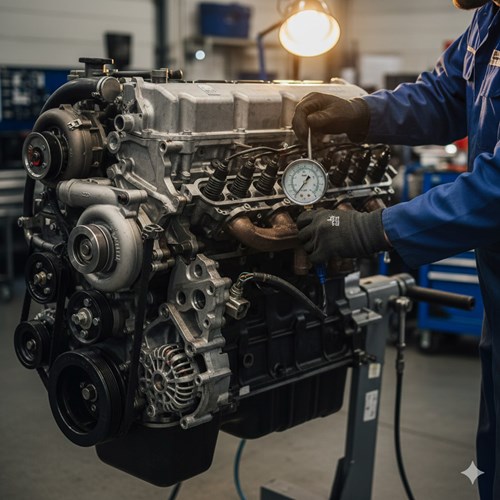
Vet your used engine. Build a checklist: match the engine to your truck, study history and paperwork, inspect for wear, verify compression and oil pressure, review coolant health, and lock in warranty terms. Add specs like power in kilowatts, torque in newton-meters, and fuel use in liters per 100 kilometers to be sure it meets your needs in Calgary or anywhere.
Mileage vs. Hours
Mileage by itself is deceptive. Long-haul trucks might have high kilometres but consistent highway loads. Local delivery trucks accumulate low kilometres but high idle hours. Request both odometer kilometres and operating hours, then figure average speed by dividing kilometres by hours. Very low averages indicate a lot of idling, which wears bearings and emission components.
Ask for a seller report that includes kilometres at removal, total hours, duty cycle notes (city, highway, off-road), and any major repairs. Prefer lower kilometers or hours when possible, but balance that with maintenance quality. Use this data to predict remaining lifespan and service intervals, such as timing belt or chain inspections.
Maintenance Records
-
Outdated oil and filter changes with the right grade at the right interval.
-
Coolant flushes and proof of correct coolant type
-
Timing belt/chain service with parts receipts
-
Valve, injector, and fuel filter service logs
-
Turbo, EGR, DPF, or SCR repairs and sensor replacements
-
Compression and oil pressure test results
-
Notes on leaks fixed: seals, gaskets, hoses
Engines with complete documentation are generally more secure selections. Intervals can conceal neglected maintenance. Use records to flag patterns such as repeat overheating, low oil pressure, or metal in oil.
Compression Test
Need cold and warm compression numbers for each cylinder, plus variance. Low or uneven readings indicate worn rings, bent valves, or head gasket leaks. Turn down engines outside spec or with more than approximately 10 to 15 percent spread. Include oil pressure at idle and 2,000 rpm, and check coolant for oil mix or pressure spikes.
Warranty Terms
|
Option |
Duration |
What’s Covered |
Extras/Notes |
|---|---|---|---|
|
Basic |
30–90 days |
Long block parts |
No labor; proof of install steps |
|
Standard |
6 months |
Parts + limited labor cap |
Requires certified install |
|
Premium |
12 months |
Parts + labor |
Must follow service schedule |
Prefer transparent, written conditions and retain copies with the service documentation.
Compatibility Check
Make sure make, model, year, engine code, emission tier and trans are a match. Double-check mounts, ECU, sensors, fuel system, and harness plugs. Use OEM catalogs, VIN decoders and supplier fitment tools. Check for leaks, cracked housings, worn belts and damaged accessories to prevent install delays and added expense.
Finding a Trusted Supplier
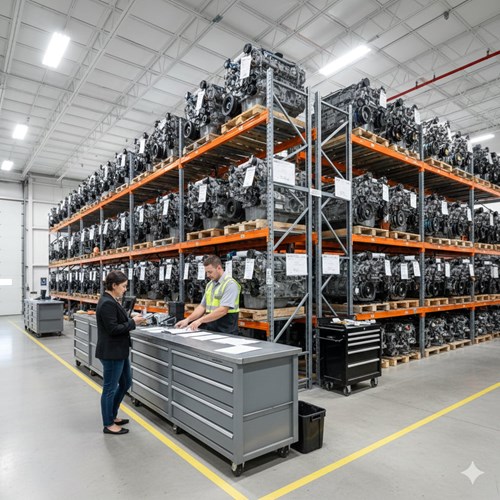
Finding a trusted supplier for a used truck engine in Calgary means you need to do some definite checking regarding stock, fit, price and support. A solid supplier will not only speed the search but will minimize risk and keep costs aligned with your budget and schedule.
Choose Western Auto and Truck Parts for their extensive inventory and knowledgeable staff.
Western Auto and Truck Parts stands out for depth of stock across diesel and gasoline engines, plus related heavy-duty parts like transmissions, turbos, and ECMs. A broad catalog means less waiting and fewer compromises. You can search online by make, model, engine code, and year to check live availability, which helps avoid dead ends. Their staff knows common OEM codes, cross-references, and swap notes, so you get straight answers on fit, mounts, sensors, and wiring. This is helpful when you are matching specific engines such as Cummins ISB 6.7, Duramax LML 6.6, or Ford Power Stroke 6.7 across trims and model years.
Rely on their experience in sourcing quality used engines and heavy duty truck parts in Calgary.
Years in the local market count. A long history usually signifies superior buy routes, more rigorous teardown and inspection processes, and real-life input from stores. Inquire for compression or leak-down results, oil analysis if available, and service history tags. Ask for a compatibility consult or fit check against your VIN and ECU map. This reduces the likelihood of idle problems, CEL errors, or harness conflicts post install.
Benefit from personalized service, competitive pricing, and a comprehensive product catalog.
Seek transparent quotes that specify engine mileage, accessories included, core charges, and warranty conditions. Use it to price against comparable units with like kilometers. Western Auto provides one-on-one assistance to fit your budget and lead time, along with assistance in shipping options from local pickup to pallet freight. Being aware of expected shipping schedules allows you to schedule work and reduce unnecessary truck idling.
Trust Western Auto’s commitment to customer satisfaction and reliable solutions for all your truck engine needs.
Trust comes from evidence. Check business credentials, recent reviews and document warranty coverage, including how long it lasts, steps to claim it and what is excluded. Request install instructions to maintain warranty. Make sure you have clear return policies and a quick turnaround for replacement. Verify that post-sale support covers troubleshooting for sensor swaps or ECM relearns. These measures impose safeguards and save you from damages should issues occur.
Conclusion
A used truck engine Calgary can make rock solid sense! Expenses remain in control. Lead times remain tight. Local yards carry trims to match trucks on the road here. Cold starts require stout parts and clean oil, so tailor the engine to your climate and driving habits. Verify hours, service logs, and compression. Check for rust on mounts, oil leaks at seals, and clean coolant. Get a run test, a clean VIN, and an honest warranty in plain language. For example, choose a 5.3L with 120,000 km, clean plugs, even PSI, and a 90-day parts cover. That covers most daily requirements.
Are you ready to roll? Tell us your truck year, make, model, engine code, and budget. Take quotes from two local yards and compare.
Frequently Asked Questions
What are my main options when replacing a truck engine?
You have three options: new, remanufactured, or used. New provides the longest lifespan but is the most expensive. Reman delivers like-new performance at a mid-range price. Used is the cheapest and quickest to find, great for thrift-focused owners.
Why consider a used truck engine in Calgary?
Used engines save money and save time! Trucks have an active market in Calgary, which means there is always great availability. Climate-tested engines for cold starts and variable temperatures add reliability and value.
How does Calgary’s climate affect engine choice?
Frigid winters put a strain on batteries, oil flow and gaskets. Select a motor with good cold-start history, correct compression and no sludge. Check block heater compatibility and employ proper low-temp oil viscosity.
What should I check before buying a used engine?
Verify engine code, mileage, compression test results, oil pressure and leak-down info. Check for leaks, sludge and corrosion. Request service records, donor vehicle info, and start-up video. Get a written warranty.
What warranty should a reputable supplier offer?
See if you can get at least 90 days on parts. Six to twelve months would be better. The guarantee will need to cover major internals and transparent return conditions. Choose vendors that record test results and provide installation assistance.
How do I vet a trusted engine supplier?
Don’t just pick the first guy you find. Check reviews, certifications, and years in business. Confirm testing, inventory tags, and traceable VINs. Request references and compression tests. Clear pricing and warranties indicate trustworthiness.
How can I ensure a smooth installation?
Fits the engine code and ECU compatibility. Replace wear items: gaskets, seals, water pump, thermostat, and belts. Simply use fresh fluids and the proper oil grade. Have a professional do torque specs and initial start.
Not what you are looking for? Explore these resources for your reference
Trusted Source for Automotive Body Parts
Comprehensive Suspension Parts
High Quality Used Differentials
You may also find the following resources helpful for additional reference.
SEARCH
Looking for our Edmonton location? Click Here